
“Do I Need A general Contractor?”
When planning a construction or improvement project, one of the first questions many property owners ask is whether they need to hire a general contractor—or if they can work directly with a specialized contractor such as a concrete or masonry professional. The answer depends largely on the size, complexity, and number of trades involved in the project.
Understanding the role of a general contractor can help you decide the best approach for your specific situation.
What Is a General Contractor?
A general contractor (often called a “GC”) is responsible for overseeing and managing a construction project from start to finish. Their role is to coordinate the various parts of the job, including scheduling, hiring subcontractors, obtaining permits when required, managing inspections, and ensuring the project stays on schedule and within budget.
Of course, the general contractor does not perform all of the physical work themselves. Instead, they hire and coordinate subcontractors who specialize in specific trades, such as:
Concrete and masonry
Electrical work
Plumbing
Carpentry and framing
Roofing
Landscaping
Because construction projects often require several trades working in sequence, the general contractor serves as the central point of contact and project manager.
However, not every project requires that level of coordination.

When You May Not Need a General Contractor
For smaller projects that involve only one trade, homeowners and property managers can often work directly with a specialized contractor. This approach can simplify the process and sometimes reduce costs by eliminating an extra management layer.
Many concrete and masonry projects fall into this category, including:
1. Driveways and Walkways
If you’re installing or replacing a concrete driveway or walkway, the project typically only requires a concrete contractor. The contractor handles excavation, forming, pouring, finishing, and curing the concrete.
2. Patios and Outdoor Hardscapes
Concrete patios, stamped concrete surfaces, and masonry paver installations are usually handled by a single contractor who specializes in hardscape construction.
3. Retaining Walls and Masonry Features
Stone or block retaining walls, decorative masonry walls, and outdoor fire pits can generally be completed by a masonry contractor without the need for additional trades.
4. Concrete Slabs for Sheds or Small Structures
When you simply need a slab foundation for a shed, workshop, or similar structure, a concrete contractor can typically complete the work independently.
In these situations, working directly with a subcontractor can make the process more simple and straightforward. You communicate directly with the professional performing the work, scheduling is simpler, and project costs are typically finished a little faster that other larger projects.
When a General Contractor Is Typically Needed
Larger or more complex projects often require coordination between multiple trades. In these cases, hiring a general contractor helps ensure the project runs smoothly and complies with local building regulations.
Here are some common examples.
1. Home Additions
Building a room addition involves many steps and trades. A typical project may require excavation, concrete foundation work, framing, electrical installation, plumbing, insulation, drywall, roofing, and finishing work. Coordinating these professionals in the correct order is a major responsibility, which is why most homeowners rely on a general contractor.
2. Major Home Renovations
Whole-home remodels or extensive interior renovations often involve structural changes, new mechanical systems, and multiple inspections. A GC ensures each phase is completed properly and scheduled efficiently.
3. New Construction
Constructing a new home or commercial building requires careful coordination from the foundation through the final finishes. A general contractor manages the entire process and works with numerous subcontractors to complete each stage of construction.
4. Projects Involving Utilities and Structural Work
If a project includes electrical upgrades, plumbing relocation, structural framing, and concrete work all at once, it becomes significantly more complicated. A general contractor helps manage the logistics and ensures each trade completes their work in the correct sequence.
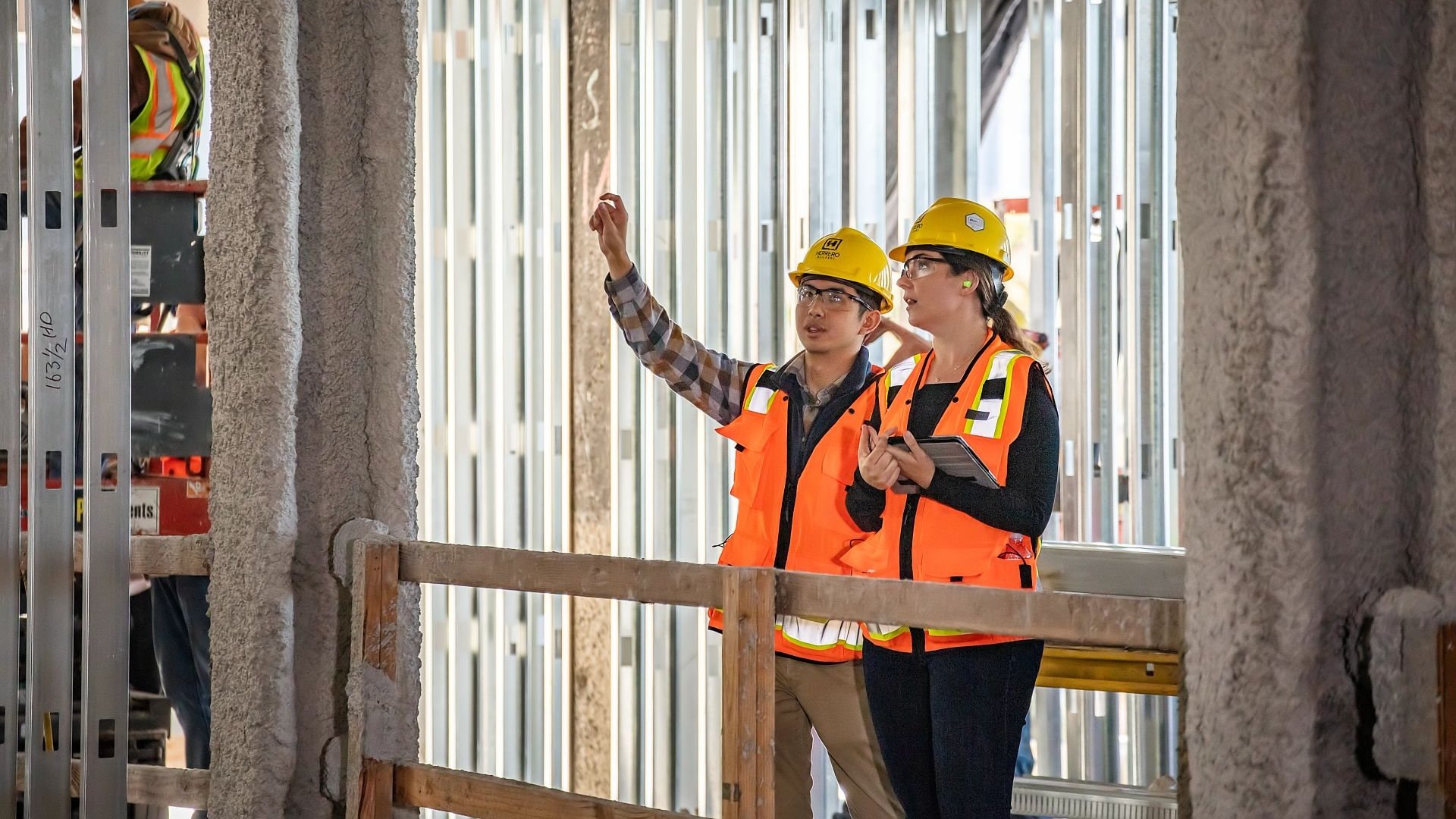
Benefits of Hiring a General Contractor
For larger projects, a general contractor offers several advantages:
Project Management – The GC coordinates all trades and schedules work so the project moves efficiently.
Single Point of Contact – Instead of communicating with multiple contractors, the homeowner deals with one primary professional.
Permit and Inspection Coordination – Many GCs handle the permitting process and schedule required inspections.
Quality and Accountability – The GC oversees the work of subcontractors and ensures standards are maintained throughout the project.
These services can be especially valuable when the scope of work is extensive. The decision ultimately comes down to the complexity of your project, If your job involves a single specialty—such as installing a new driveway, building a retaining wall, or pouring a concrete patio—you can usually work directly with a qualified concrete or masonry professional.
However, if your project involves multiple trades, structural changes, or a large-scale renovation, hiring a general contractor is often the best choice. Their experience managing complex construction projects can help prevent delays, miscommunication, and costly mistakes.
In Conclusion, Should you hire one?
Not every construction project requires a general contractor. For many outdoor improvements and concrete installations, working directly with a specialized contractor is both practical and efficient. But when a project grows in size or complexity, the coordination and oversight provided by a general contractor can make a significant difference in the overall success of the build.
If you’re unsure which approach is right for your project, speaking with a professional contractor can help you determine the best path forward. Experienced contractors can review your plans, explain the scope of work involved, and guide you toward the most effective solution for your property and budget!
